Protect Your Property with a Trusted Muldrow Roofer
Protect Your Property with a Trusted Muldrow Roofer
Blog Article
Determining the Finest Roofer: Important Tips for Residents
Choosing the best roofer is a vital choice for homeowners. It requires thorough thought and a systematic strategy. Examining roof needs, collecting referrals, and inspecting potential contractors are all vital elements. Comprehending credentials and analyzing pricing can look difficult. Yet, these undertakings are essential for a effective project. Homeowners must also take into account warranties and coverage, as these considerations can substantially influence their extended contentment. What should be the subsequent step in this process?
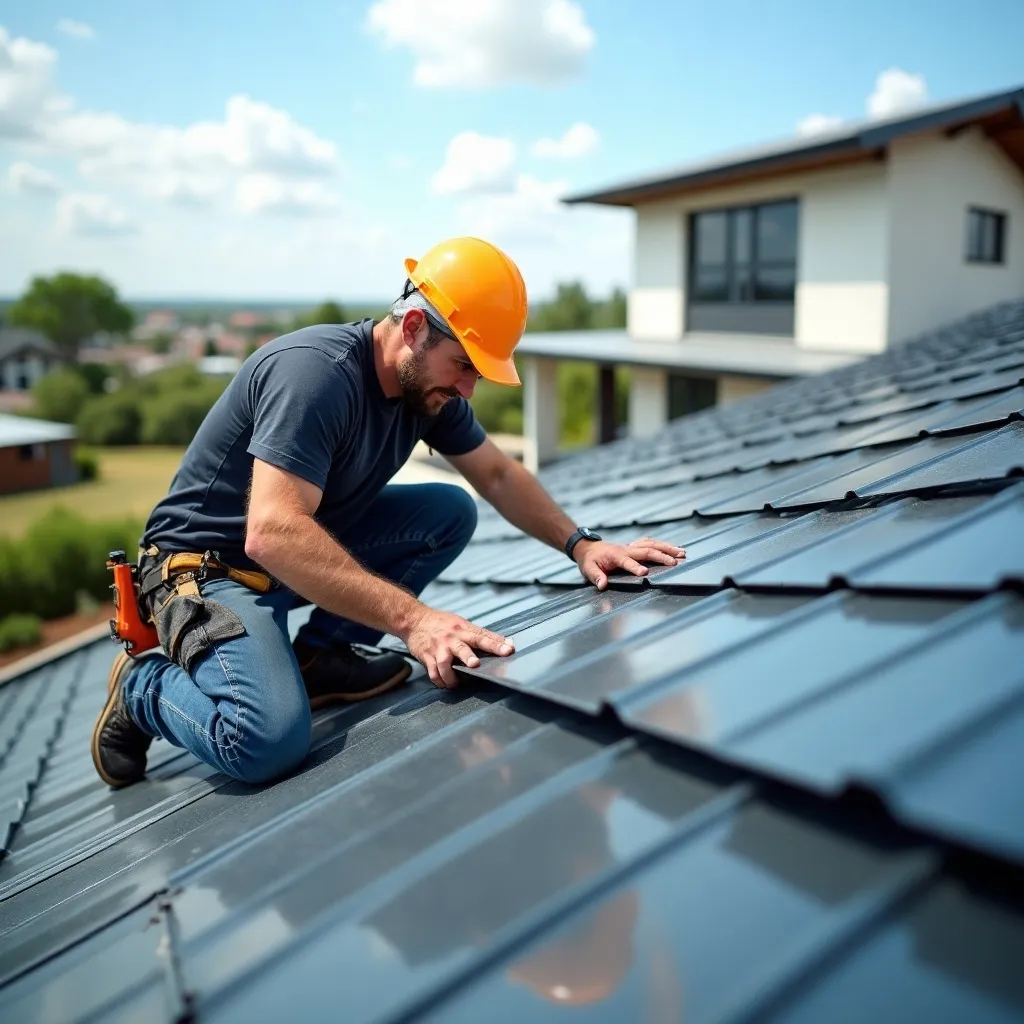
Define Your Roof Requirements: Assessing Deterioration and Demands
When evaluating roofing needs, homeowners should begin by assessing the condition of their current roof. This evaluation includes a thorough inspection for apparent faults, such as missing shingles, leaks, or sagging areas. Homeowners should also factor in the age of the roof; a roof nearing the end of its lifespan may call for replacement instead of repairs. Additionally, variables like the local climate and surrounding environment can affect roofing requirements. For example, homes in areas exposed to severe weather may require stronger materials. It is also important to spot any underlying issues, such as ventilation or insulation problems, that may influence the roof's performance. By understanding these critical points, homeowners can make informed choices regarding repairs or replacements, making more information sure that their roofing selections align with their long-term objectives and budget. A thorough assessment establishes the basis for choosing the optimal solutions moving forward.
Discovering Dependable Roofers
How can homeowners ensure they choose a trustworthy roofer for their job? First, they should obtain referrals from friends, family, or neighbors who have recently finished roofing work. Internet feedback and scores can also provide insight into a roofer's standing. Next, homeowners should verify that prospective roofers are licensed and insured, as this protects against liability for accidents during the job. It is crucial to obtain several quotes, allowing homeowners to compare prices and services offered. Additionally, a dependable roofer should be able to give references from past clients, demonstrating their workmanship. Homeowners should also ask about warranties on both materials and labor to confirm lasting contentment. By taking these steps, homeowners can greatly increase the probability of employing a trustworthy and capable roofing contractor.
How to Determine Roofer Track Record
When assessing a roofer's credentials, it is crucial to verify their insurance and licensing to ensure compliance with local regulations and safeguard from potential liabilities. Additionally, checking for professional certifications can offer understanding of the roofer's commitment to quality standards and expertise. These steps are vital in selecting a competent specialist for roofing work.
Validate Licensing And Documentation
Starting with verifying the licenses and insurance is how one evaluates a roofer's credentials. Homeowners should request copies of the roofer’s license and confirm it is valid and up-to-date, since engineering rules differ from state to state. A registered roofer complies with building codes and industry norms locally. Moreover, checking that the contractor holds adequate insurance is very important. This includes both liability insurance and worker’s compensation. Liability insurance serves to protect homeowners from possible damages throughout the roofing process, while worker’s compensation coverage safeguards against injuries sustained by workers on the job. Often, homeowners can verify this information through state licensing boards or insurance providers. Taking these steps helps guarantee that the chosen roofer is credible and minimizes risks associated with roofing projects.
Verify Trade Certifications
Numerous homeowners downplay the importance of checking professional certifications when enlisting a roofing contractor, despite the fact that these qualifications can greatly influence the caliber of results. Qualifications from recognized organizations, like the National Roofing Contractors Association (NRCA) or GAF, confirm that a roofer has undergone specialized instruction and follows professional guidelines. Property owners ought to inquire about specific qualifications held by prospective roofers and validate their legitimacy via the credentialing organizations. This guarantees not only that the roofer possesses knowledge of the cutting-edge materials and techniques but also reflects a genuine commitment to professional excellence. Furthermore, certified roofing specialists frequently obtain enhanced warranties and superior materials, additionally enhancing the worth of their services. Emphasizing these qualifications can yield a more trustworthy roofing installation.
Essential Inquiries for Your Roofing Contractor Consultation?
What approaches can property owners use to ensure they choose the best roofing contractor? One practical approach is to create a collection of critical questions for the meeting. First, property owners should ask about the contractor's background and specialization in home roof work. This helps determine their competence for the particular job. In addition, asking about licenses and insurance ensures adherence with local regulations and protects against potential liabilities.
Homeowners should also ask for references from previous clients to assess satisfaction levels and dependability. Questions about the materials employed can uncover the contractor's dedication to excellence. Additionally, discussing the project schedule and payment terms is vital for comprehending expectations. Ultimately, asking about warranties on both materials and workmanship can provide peace of mind regarding the durability of the roof. By asking these specific questions, homeowners can make informed decisions and have confidence in their choice of roofing contractor.
Tips for Assessing Roofing Quotes Properly
When analyzing roofing quotes, it is important to understand the components that constitute each estimate. This encompasses not only the labor costs but also the supplies proposed for the project. Assessing the quality and resilience of these materials can considerably affect the overall value and durability of the roofing solution.
Learn Proposal Aspects
Comprehending the components of roofing quotes is vital for homeowners aiming to make informed decisions. An detailed quote usually includes service charges, material expenses, and any extra fees like permits or cleanup. Homeowners should focus on the details outlined in each section, because variations can greatly affect overall pricing. It is important to review the warranty terms and the expected timeline for project completion, as these factors can affect long-term happiness. Evaluating multiple quotes helps homeowners spot discrepancies and judge the value offered by various contractors. By fully understanding these components, homeowners can make smarter choices, ensuring they choose a roofer who matches both their budget and quality standards.
Assess Material Choices
To evaluate roofing quotes properly, you need a thorough evaluation of roofing materials. Homeowners should consider the longevity, price, and protection plan linked to each roofing option. Common roofing materials include asphalt shingles, metal, tile, and slate, each providing unique advantages and drawbacks. For instance, asphalt shingles are cost-effective but may have a shorter lifespan versus metal or slate. Additionally, homeowners must evaluate the local climate, as specific options work more effectively under particular environmental factors. It's essential to ask contractors about the quality of their materials and any potential hidden costs. By recognizing the variety of roofing choices, homeowners can choose wisely that align with their budget and future objectives for their roofing project.
Protections and Coverage Matter Significantly When Installing Roofing
Warranties and insurance are critical components in roofing projects, often overlooked by homeowners. A robust warranty offers confidence that the materials and workmanship are safeguarded against defects for a specified period. This not only protects the homeowner's investment but also enhances the roof's longevity. Additionally, reputable roofing contractors typically offer warranties, indicating their confidence in their work.
Insurance, by contrast, protects homeowners from potential liabilities during the roofing process. It covers accidents that may occur on the job site, guaranteeing that the homeowner is not financially responsible for injuries or damages. Without proper insurance, homeowners may face significant financial obligations in case of unforeseen incidents.
Frequently Posed Questions
How much time Should a roof job Typically require?
A roofing project usually requires one to three weeks, depending on elements like the roof's size, materials used, weather conditions, and the contractor's availability. Delays can happen due to unexpected issues.
What Materials Work Most for My Climate?
Superior roof materials for a specific region are influenced by elements including temperature extremes and rainfall. Cooler climates perform exceptionally well with metal roofs or asphalt shingles, whereas hot regions often gain from reflective materials or tiles intended to lower heat absorption.
May I Stay Home During the Roofing Work?
Homeowners can often remain at home during roofing work, but it's sensible to arrange for noise and disruption. Maintaining safety and clear communication with the roofing crew will boost the overall experience.
How Could Weather Alter the Roofing Schedule?
Roofing plans are substantially shaped by weather; rain, snow, and extreme temperatures can delay work. Roofers often modify timelines based on climate data to assure safety and proper installation, prioritizing quality over speed in difficult situations.
What Happens if I Need More Fixes During Installation?
If supplemental fixes are required during installation, the roofer routinely examines the state and supplies a fresh estimate. This may extend the duration and costs, confirming the roof's robustness and longevity remain valued.
Report this page